

Why Early Rehabilitation and Skilled Nursing Matter After a Stroke
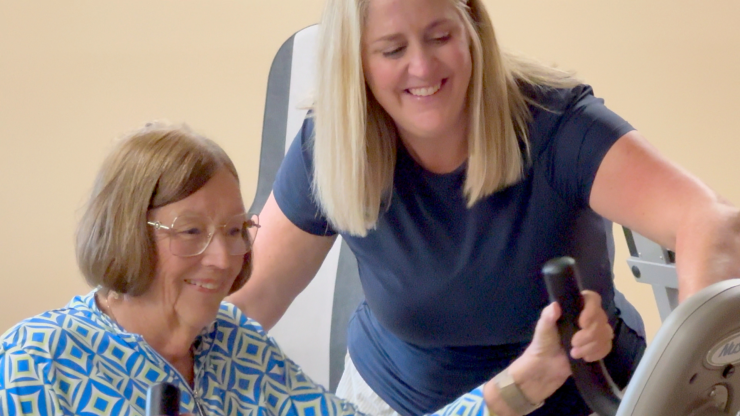
A stroke can change daily life in an instant, leaving individuals and families unsure of what comes next. Once a patient is medically stable, the focus quickly shifts from emergency care to recovery. What happens in the early days and weeks after a stroke plays a major role in long-term outcomes. This article explains why early rehabilitation and skilled nursing care are so important, what each provides and how they work together to support recovery.
Why Timing Is Critical After a Stroke
The brain begins adapting to injury almost immediately after a stroke. This period of early recovery is when therapy and clinical support can have the greatest impact.
Starting rehabilitation early helps because:
- The brain is more adaptable in the beginning. During the first days and weeks, it is better able to form new neural connections and relearn lost skills. Early therapy takes advantage of this window to build momentum in recovery.
- Complications can be prevented with prompt care. Immobility and weakness can lead to issues like blood clots, pneumonia or muscle tightening. Early movement, positioning and monitoring reduce these risks.
- Progress tends to be stronger with early intervention. Patients who begin therapy soon after stabilization often regain more function than those who delay care.
Even small steps early on, like sitting up, standing or practicing simple movements, set the stage for future independence.
How Skilled Nursing Supports Recovery
After a stroke, recovery requires more than therapy alone. Skilled nursing provides the clinical foundation that keeps patients safe while they rebuild strength and function.
In a skilled nursing setting, care includes:
- Ongoing medical monitoring. Licensed nurses track vital signs, manage medications and watch for changes in condition that require attention.
- Prevention and management of complications. Care teams address risks such as infections, pressure injuries and recurrent strokes through proactive care.
- Support with daily health needs. Nutrition, hydration and mobility assistance are carefully managed to promote healing and stability.
This level of care ensures that medical needs and rehabilitation goals move forward together. It also gives families reassurance that their loved one is receiving consistent, professional support around the clock.
How Rehabilitation Helps Restore Function
Rehabilitation focuses on helping stroke survivors regain as much independence as possible. Because stroke effects vary, therapy typically includes multiple disciplines working together.
Key rehabilitation services include:
- Physical Therapy: Focuses on rebuilding strength, balance and coordination. Therapists help patients relearn movements such as walking, transferring and maintaining stability.
- Occupational Therapy: Addresses everyday tasks like bathing, dressing and eating. Patients learn practical strategies and may use adaptive tools to maintain independence.
- Speech Therapy: Helps restore communication skills and addresses swallowing challenges that can affect safety during meals. It may also support memory and cognitive function.
When combined, these therapies create a coordinated approach to recovery. Each discipline reinforces the others, helping patients make steady progress toward meaningful goals.
Why Personalized Care Plans Matter
No two strokes are the same, and recovery should reflect each individual’s needs and priorities. Personalized care plans ensure that treatment is focused, relevant and adaptable.
Effective care plans include:
- A full assessment of medical and functional needs. This considers the severity of the stroke, existing health conditions and current abilities.
- Clear, realistic goals. Some patients may aim to return home, while others focus on improving comfort, mobility or daily routines.
- Ongoing adjustments based on progress. As recovery evolves, care plans are updated to reflect new capabilities or challenges.
This approach helps ensure that care is not only clinically appropriate but also meaningful to the individual. It supports progress while respecting personal preferences and dignity.
What Families Should Know and Expect
A stroke impacts the entire family, not just the individual recovering. Understanding the process can help families feel more confident and prepared.
During recovery, families can expect:
- Guidance through care decisions. Healthcare teams help explain options and determine the right level of support based on current needs.
- Regular updates and communication. Progress, challenges and care plan changes are shared so families stay informed.
- Opportunities for involvement. Families may participate in therapy sessions or learn ways to support recovery outside of clinical settings.
- Access to practical resources. Support may include information about insurance coverage, care planning and next steps after rehabilitation.
Family involvement often plays a meaningful role in recovery, providing encouragement and continuity as patients transition between care settings.
Practical Takeaways for Stroke Recovery
Early action and coordinated care can make a lasting difference. The combination of skilled nursing and rehabilitation creates a strong foundation for recovery.
Key points to remember:
- Early rehabilitation supports the brain’s ability to relearn and adapt
- Skilled nursing ensures medical safety and stability during recovery
- Therapy works best when multiple disciplines collaborate
- Personalized care plans lead to more meaningful and effective outcomes
- Family support and involvement strengthen the recovery process
Take the Next Step
If you or a loved one is recovering from a stroke, understanding your care options is an important first step. Seeing how skilled nursing and rehabilitation work together can help you make informed decisions about what comes next. You can explore a location near you to learn more, ask questions and find the right level of support for your situation.