

Benedictine Living Community-Duluth receives transformational $1 million gift
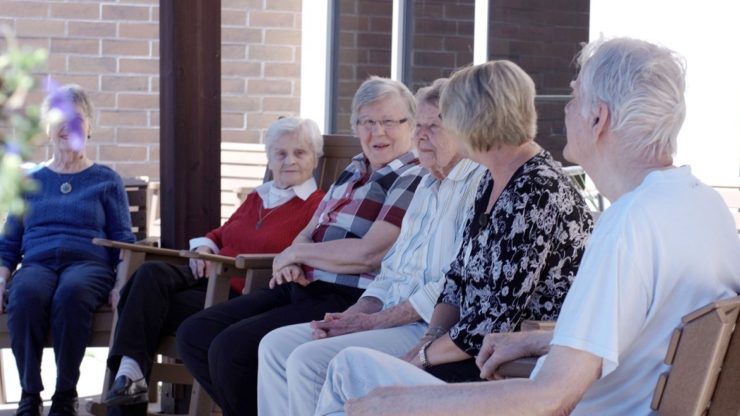
The Benedictine Foundation announced it has received a $1 million gift from anonymous donors designated to support seniors at Benedictine Living Community-Duluth, with a focus on people who are poor or underserved.
The donation will strengthen the ability of Benedictine Duluth to serve older adults with compassion and dignity, particularly those with low incomes or who rely on Medicaid.
“This gift is a result of the extraordinary mission and ministry that Benedictine Living Communities carry out,” said Joslyn Biever, senior vice president, Benedictine Foundation. “We are humbled by the donors’ trust and deeply grateful for their generosity.”
The donors were inspired by Benedictine’s whole‑person approach to care, which supports the mind, body, and spirit of every individual served. Their financial support will give Benedictine Duluth the flexibility to direct resources where they are most needed each year. This sustained support helps advance the Benedictine Westwood assisted living renovation and strengthens resident‑centered programs.
Brian Pattock, executive director of Benedictine Duluth, emphasized the breadth of the gift’s impact. “This support strengthens our ability to care for people holistically and to build beautiful, mission‑inspired environments where older adults can thrive.”
One of the programs that will be supported by this gift is Moments That Matter, Benedictine’s newly launched integrated dementia care model designed to create meaningful experiences that reduce stress, spark connection and affirm dignity at every stage of the dementia journey.
This comprehensive program will include staff training with expert‑led instruction, standardized onboarding, annual recertification, alignment with accreditation requirements and hands‑on skills development.
Moments That Matter uses evidence‑based, human‑centered therapies that nurture joy, comfort, and connection through music therapy, aromatherapy, comforting touch & sensory engagement, doll therapy as well as horticulture and plant therapy.
“These approaches are not extras. They are central to providing dementia care that is compassionate, relational, and deeply human—and this transformational gift will help ensure these experiences remain available and continue to grow,” Pattock explained.